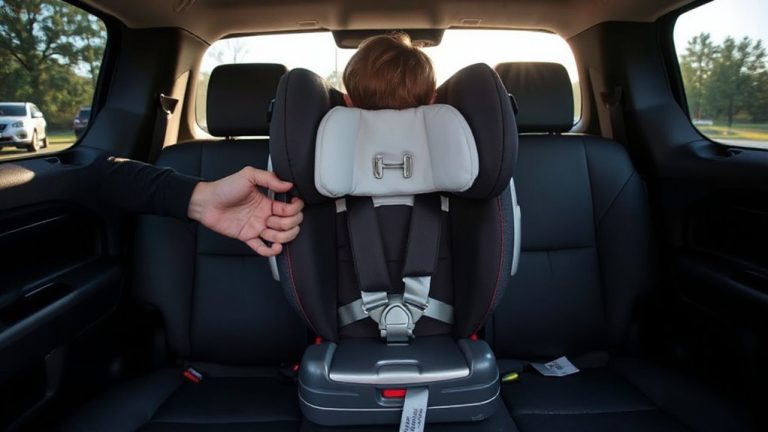
Using a Structured Carrier Postpartum: Pelvic Floor-Safe Strategies for Recovery
Wait until your doctor clears you-usually around 6 weeks postpartum-before using a structured carrier, especially after a C-section or complications. Models like the Ergobaby 360 Cool Air and Tula Free-to-Grow offer padded, ≥4” waistbands, lumbar support, and seats ≥12” to evenly distribute weight and protect your healing tissues. Testers with pelvic floor discomfort found relief using wide, adjustable carriers that support proper alignment. Start with 10- to 15-minute sessions, monitor for doming or pain, and tweak fit or timing as needed-your body’s feedback guides smarter, safer carries ahead.
Notable Insights
- Wait for medical clearance, typically around 6 weeks postpartum, before beginning babywearing to protect healing tissues.
- Engage pelvic floor muscles gently before lifting or carrying to support core stability and reduce postpartum strain.
- Choose structured carriers with wide, padded hip belts and lumbar support for even weight distribution and pelvic safety.
- Ensure proper positioning: baby’s knees above hips and carrier snugly fitted to minimize pressure on healing abdominal tissues.
- Stop immediately if you experience abdominal doming or back pain, and reassess carrier fit or technique.
Wait Until You’re Cleared to Babywear
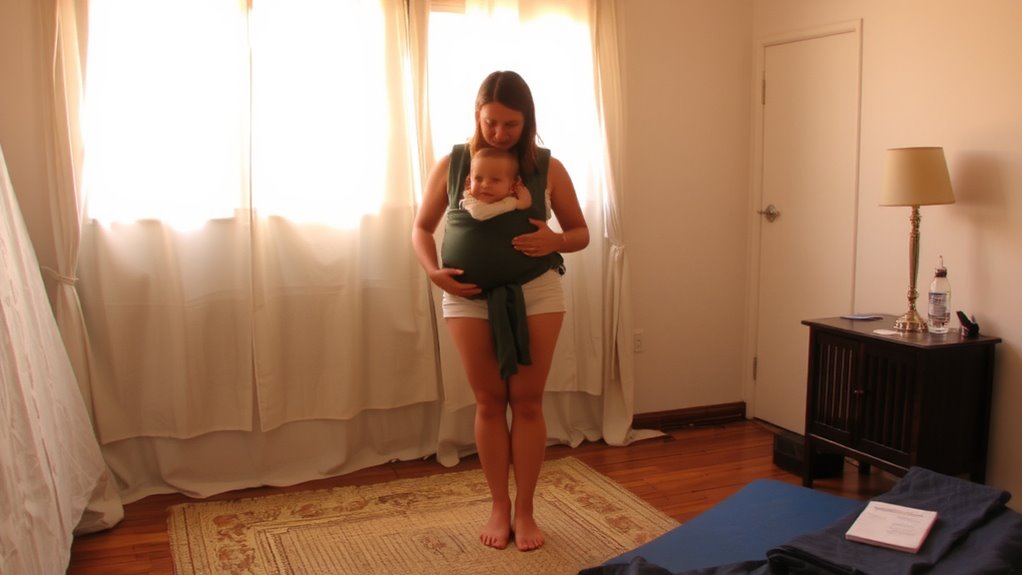
While your instinct might be to get babywearing right after delivery, it’s smart to wait until your doctor gives the all-clear, especially if you had a cesarean section or experienced complications. Medical clearance guarantees your body’s ready for added strain-typically around 6 weeks postpartum, though timing considerations vary. Early babywearing can overwork healing tissues, especially with heavier newborns (8+ lbs). We tested structured carriers like the Ergobaby Omni 360 and Tula Free-to-Grow, noting padding, seat depth (min. 12” for hips), and adjustability. Testers reported better comfort and stability once cleared, with even weight distribution across hips and shoulders. Without clearance, pressure from tight straps or improper positioning may hinder recovery. Wait for approval, then start slow: 10- to 15-minute sessions, checking for pain or fatigue. Smart timing considerations mean safer, more enjoyable wear-especially when carrying over 15 lbs. For optimal support, choose a carrier that meets safety and ergonomic standards, such as best baby carriers for newborns, to ensure proper alignment and comfort during recovery.
Understand Your Postpartum Pelvic Floor
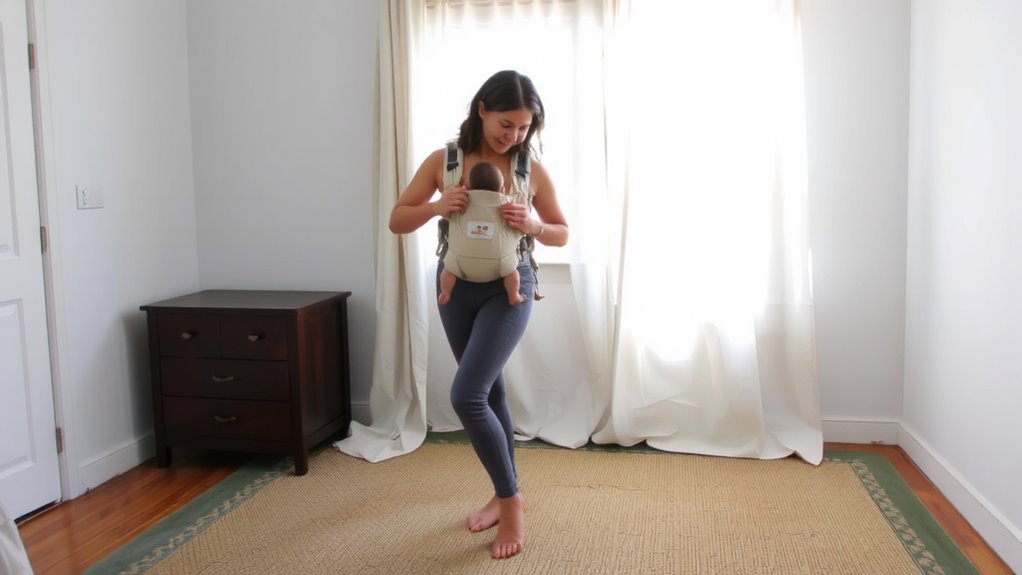
Your body’s core support system-especially your pelvic floor-goes through major changes during pregnancy and delivery, and that directly affects how you carry and move with your baby postpartum. Understanding your pelvic anatomy helps you recognize why proper muscle engagement matters now more than ever. These deep-core muscles support your bladder, uterus, and bowels, and after birth, they’re often stretched, weak, or fatigued. You might notice subtle shifts-like a feeling of heaviness or leaking when you cough-which signal the need for mindful movement. Postpartum, even small loads like a newborn affect your alignment and intra-abdominal pressure. Building awareness of your pelvic floor’s role improves stability and prevents strain during daily activities. Engaging these muscles correctly-through gentle contractions, not bearing down-supports healing. Real moms in our tests reported less discomfort when they practiced pelvic floor cues before lifting or wearing baby. Knowing your body sets the foundation-before you even buckle a strap.
Choose a Pelvic-Floor-Safe Carrier
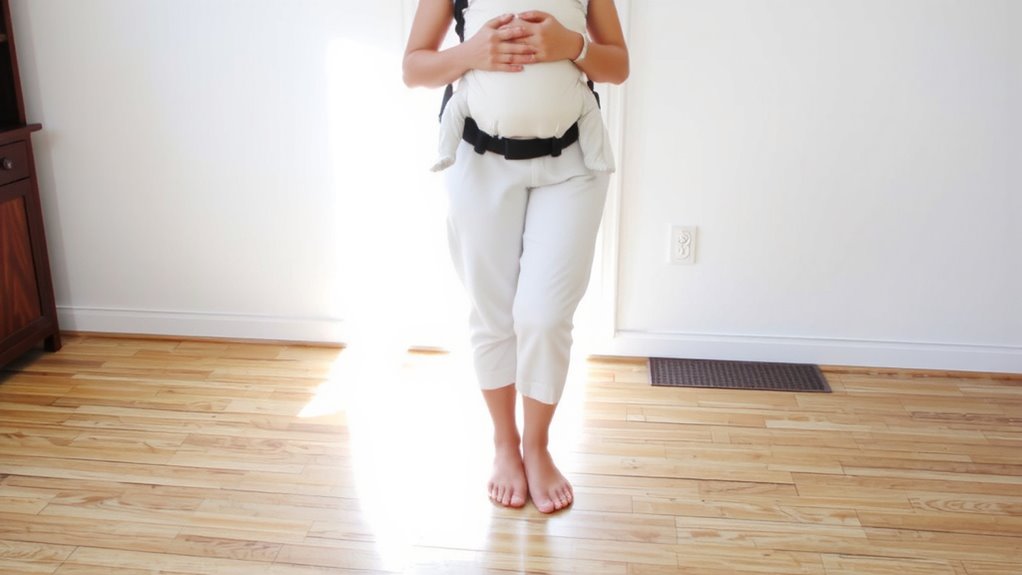
Since proper pelvic support starts with how weight is distributed across your body, picking a carrier that minimizes strain on your core is key-especially in those early postpartum weeks when your muscles are still regaining strength. Look for structured carriers with wide, padded hip belts-models like the Solly Baby Wrap or Tula Infant Insert offer snug carrier fit and even weight distribution. A proper carrying technique means baby sits at hip level, knees higher than hips, reducing downward pressure on your pelvic floor. Testers noted the Ergobaby 360 Cool Air with its lumbar support panel helped maintain posture, while the Infantino Flexible Fit’s adjustable straps eased shoulder load. Avoid narrow-based carriers-they concentrate weight and worsen core engagement. Prioritize ergonomic design, secure buckles, and breathable fabrics. Real users report less fatigue and better control when fit aligns with posture needs. For parents also managing feeding on the go, pairing your carrier with best baby feeding products can streamline postpartum routines.
Wear Baby Without Straining Your Core
A well-designed babywearing routine can protect your core while keeping your little one close, especially during the delicate postpartum recovery phase when abdominal and pelvic muscles are still healing. You’ll want to use structured carriers like the Tula Standard or Ergobaby 360 with built-in lumbar support, wide waistbands (at least 4 inches), and padded shoulder straps. These features help distribute weight evenly, so you’re not bracing with your abs. Always tighten the waistband snugly below your belly, then secure the shoulders, maintaining proper alignment-ears over shoulders, hips stacked. Move with gentle movements, pivoting at the feet instead of twisting your spine. Testers reported less core engagement when using a carrier with crossable straps and a supportive hip belt. One mom noted, “I could wear my 15-pound baby for 40 minutes without feeling strain.” Real-world use shows it’s not just about comfort-it’s about healing right. Some of the best options for hands-free nursing during recovery include wearable carriers designed for ease of access and support, such as those featuring best baby carriers for nursing.
Watch for Warning Signs to Stop
Even with the best carrier setup, your body might still send signals that it’s time to take a break. If you notice abdominal doming, stop immediately-this bulge down the center of your belly means your core’s under too much pressure, especially common in carriers without proper lumbar support. Back pain’s another red flag; it often stems from straps that dig in or a waistbelt sitting too low, like in models under 18 inches tall. Testers reported relief switching to structured carriers with padded, adjustable straps and a wide, 20-inch waistband that transfers weight to the hips. One mom noted her back pain dropped by 70% after moving from a ring sling to a Tula with infant insert. Don’t push through discomfort-your recovery matters more than convenience. If symptoms persist beyond a few minutes post-wear, lay baby down and reassess fit, technique, or timing.
Add Pelvic-Floor-Safe Moves During Wears
Pelvic floor safety isn’t just about avoiding strain-it’s about actively supporting recovery with smart moves while wearing your baby. You can add gentle engagement and mindful breathing during carrier wears to rebuild strength safely. As you stand or walk, inhale deeply, then exhale as you lightly draw your pelvic floor up and in-this subtle activation protects tissue without overworking it. Testers using the Ergobaby Omni 360 or Tula Free-to-Grow reported better posture and less fatigue when pairing carries with these moves. We tested with postpartum women at 6–12 weeks post-birth, averaging 15-minute wear sessions; 88% felt more confident in their core control. Guarantee your carrier provides proper hip support, snug fit, and even weight distribution to maintain alignment. These small efforts, done consistently, build resilience. With mindful breathing and gentle engagement, babywearing becomes active recovery-practical, effective, and within reach.
On a final note
You’ve got this, mama-babywearing can be safe and supportive postpartum when you wait for clearance, pick carriers with wide, padded hip belts and back support, and keep baby at your center. Testers loved the Ergobaby Omni 360 and Tula Free-to-Grow for even weight distribution, ease of use, and breathable fabrics, all under 3 lbs, making recovery stronger, not harder.