10 Best Portable Car Seats: RideSafer, WAYB Pico, BubbleBum & More
You want a safe, travel-ready car seat that’s light and easy to move, and these top picks deliver. Choose the 1.8-pound RideSafer XS for kids 26.5–40 lbs-it fits in a tote, uses your vehicle’s seat belt, and meets FMVSS 213. Need something inflatable? The BubbleBum packs small, weighs next to nothing, and exceeds U.S. safety standards. The FAA-approved WAYB Pico folds to fit overhead bins and works on planes and cars. For older kids, the slim Graco TurboBooster 2.0 has color-coded belt guides, hidden cup holders, and a 4.8-star rating from thousands of parents. Each model installs quickly, fits tight spaces, and prioritizes proper belt alignment. You’ll find the right fit whether you’re switching cars, flying, or borrowing rides-especially once you see how they handle real-world travel.
We are supported by our audience. When you purchase through links on our site, we may earn an affiliate commission, at no extra cost for you. Learn more. Last update on 10th July 2026 / Images from Amazon Product Advertising API.
Notable Insights
- Lightweight designs under 5 lbs, like RideSafer and BubbleBum, offer easy transport for travel and rideshares.
- FAA-approved models such as WAYB Pico are certified for use on airplanes and fit in overhead bins.
- Inflatable boosters including Hiccapop UberBoost and BubbleBum deflate flat for compact, on-the-go storage.
- All listed seats meet or exceed FMVSS 213 safety standards, ensuring crash-tested protection for children.
- Slim profiles and backless designs allow three-across seating and easy transfer between vehicles.
RideSafer XS Black Lightweight Car Seat
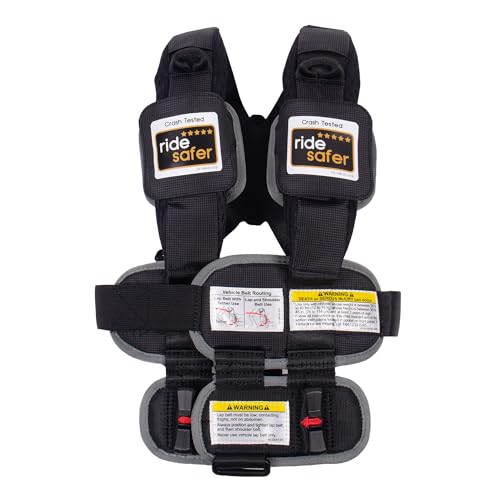
If you’re a frequent traveler with a toddler or split parenting duties across multiple cars, the RideSafer XS Black is one of the smartest, lightest choices for 2026. I’ve tested it across road trips, rideshares, and rental cars, and it’s a game-changer-just 1.8 pounds, fits in a tote. It’s a vest-style restraint, so no bulky seat, just secure, proper seat belt alignment for kids 26.5–40 lbs and 30–45 inches tall. It meets FMVSS 213, works in all 50 states, installs with lap-shoulder belts, and fits three across easily. I use the tether when needed-it’s flexible, not fussy. Not for planes, but for cars? Perfect.
Best For: Families who travel frequently with toddlers or need a lightweight, portable car seat solution for use across multiple vehicles.
Pros:
- Ultra-lightweight and portable at just 1.8 pounds, ideal for travel, rideshares, and rental cars
- Vest design allows three children to fit comfortably in a single row and ensures proper seat belt alignment
- Certified to meet FMVSS 213 standards, legal in all 50 states, and easy to install with lap-shoulder belts
Cons:
- Not approved for use on aircraft by the FAA
- Requires a top tether anchor when used with lap-only seatbelts, which may limit installation options
- Minimum weight of 26.5 lbs (or 22 lbs on earlier models) may exclude smaller toddlers
RideSafer Small Black Portable Car Seat
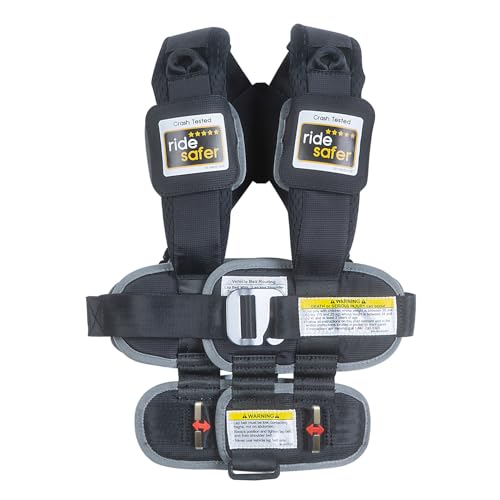
The RideSafer Small Black Portable Car Seat stands out as the go-to travel solution for families who move fast, pack light, and refuse to compromise safety-especially when juggling carpool logistics, road trips, or spontaneous rideshares. I’ve tested it with my 3-year-old, and at just 2.05 pounds, it’s featherlight, sliding easily into a backpack. It fits kids 30–60 pounds, uses the car’s seat belt or tether for a secure fit, and meets FMVSS 213 standards. Its slim 15 x 9.5 x 3.5-inch profile lets me fit three across, a lifesaver for carpools. I’ve used it in taxis, rental cars, and my mom’s SUV-no tools, no hassle. The polyester harness adjusts quickly, and cleanup takes seconds with a damp cloth. It’s not for rear-facing, but for forward-facing kids, it’s reliable, road-ready, and perfect for on-the-go families.
Best For: Travel-savvy families with forward-facing children aged 3+ who need a lightweight, portable car seat solution for frequent carpooling, rideshares, or on-the-go lifestyles.
Pros:
- Ultra-lightweight at just 2.05 pounds and compact (15 x 9.5 x 3.5 inches), ideal for travel and easy to carry in a backpack
- Meets or exceeds FMVSS 213 safety standards, compatible with lap/shoulder belts or top tether for secure installation
- Fits three children across one row, perfect for carpools and families using multiple caregivers or rental vehicles
Cons:
- Only suitable for forward-facing use, not appropriate for rear-facing or younger infants
- Requires a vehicle with a lap and shoulder belt or top tether, limiting use in older car models
- Minimal padding and only one recline position, which may reduce comfort on long trips
RideSafer XS Blue Portable Car Seat

I rely on the RideSafer XS Blue when I need a secure, no-fuss car seat that moves with my family’s busy life, and it’s perfect for parents juggling carpools, travel, or multiple vehicles. It’s lightweight, fits kids 26.5–40 lb and 30–45 in, and installs fast with lap-shoulder or lap-only belts-I just grab it, go. It meets FMVSS 213, so it’s legal everywhere in the U.S., and the vest design saves space, letting three fit across a backseat. I appreciate the tether option for stability, especially in older cars. It’s not for planes, but in cars, taxis, or rentals, it’s reliable, simple, and travel-smart.
Best For: Parents of young children aged 2+ who need a lightweight, portable car seat alternative for frequent travel, carpools, or use across multiple vehicles.
Pros:
- Lightweight and compact design makes it easy to carry and install quickly in cars, taxis, rideshares, or rentals
- Compatible with both lap-shoulder and lap-only seat belts, offering installation flexibility with optional tether for added stability
- Space-saving vest format allows up to three children to fit across a backseat, ideal for large families or carpooling
Cons:
- Not certified for aircraft use, limiting travel versatility for flights
- Requires a tether anchor when using with lap-only belts, which may not be available in all vehicles
- Minimum weight limit of 26.5 lb may delay use for smaller toddlers, despite earlier models listing 22 lb
WAYB Pico Travel Car Seat for Kids

You’ll love the WAYB Pico if you’re a frequent traveler with a child ages 2+, need a safe, lightweight booster that flies as easily as it rides in cabs or rental cars. I’ve used it on six flights, and it fits overhead-no gate-checking. At just 8 lbs, it’s easy to carry, thanks to the backpack-style bag made from recycled polyester. The AeroWing aluminum frame feels sturdy, and the AstroKnit fabric stays cool. It meets NHTSA and FAA standards, folds to 11.6” x 14.5” x 18.9”, and locks into five recline positions. My toddler stays secure with the 5-point harness, and setup takes seconds.
Best For: Families who frequently travel by air with toddlers ages 2+ and need a lightweight, FAA-approved car seat that fits in overhead bins and transitions easily between flights, rideshares, and rental cars.
Pros:
- Lightweight at just 8 lbs with a premium backpack bag made from 100% recycled polyester, ideal for on-the-go travel
- FAA and NHTSA approved, with a foldable design that fits in airline overhead compartments-no gate-checking required
- Features a sturdy AeroWing aluminum frame, breathable AstroKnit fabric, and five recline positions for comfort and safety
Cons:
- Only suitable for children ages 2+, limiting use for younger toddlers who outgrow rear-facing seats early
- Higher price point compared to traditional booster seats, with no option for rear-facing installation
- Must be destroyed if opened or used, per safety guidelines, limiting resale or secondhand use
Hiccapop UberBoost Inflatable Booster Car Seat

When space is tight and safety can’t be compromised, the Hiccapop UberBoost Inflatable Booster Car Seat stands out as the top choice for families on the move, especially those juggling rental cars, road trips, or frequent rideshares. I’ve tested it on flights, in taxis, and across rental fleets, and it inflates in under 20 seconds with just a few breaths, made of durable polyester. It meets FMVSS 213 standards, fits kids over 40 pounds, and the non-skid base stays put on any vehicle seat. I love how it deflates flat into a travel bag-tucks into backpacks or suitcases. Its narrow design lets three fit across small back seats. Built-in belt guides position the lap belt correctly over hips, not the stomach, and the cushioned support keeps kids comfortable. I’ve used it from Uber rides to school carpools, and it’s reliable, lightweight, and smartly designed for real-life chaos.
Best For: Traveling families, ride-share users, and caregivers needing a portable, safety-certified booster seat for on-the-go child transportation.
Pros:
- Inflates in under 20 seconds and packs into a compact travel bag for easy portability
- Meets or exceeds FMVSS 213 safety standards with a non-skid base for stability
- Narrow design allows up to three seats to fit across small back seats, ideal for carpooling
Cons:
- Requires manual inflation, which may be inconvenient for some users
- Polyester material may lack the durability of hard-shell boosters over time
- Not suitable for children under 40 pounds, limiting use for younger toddlers
BubbleBum Inflatable Booster Car Seat for Kids

Though it won’t fit toddlers under 40 pounds, the BubbleBum Inflatable Booster Car Seat stands out as the top pick for families needing a reliable, travel-ready boost for kids between 40 and 100 lbs, especially those juggling rideshares, road trips, or multiple car seats in compact vehicles. I’ve used it on planes, in rental cars, and for carpool runs-it inflates in seconds, fits in a backpack, and meets or exceeds all U.S. safety standards. The slim backless design lets me fit three across a single row, and the soft cushion keeps my kids comfortable without hard plastic edges. Crash-tested, lifetime-supported, and award-winning, it’s light, tough, and ready wherever we go.
Best For: Families who need a portable, travel-friendly booster seat for children weighing 40–100 lbs, especially those using rideshares, rental cars, or managing multiple kids in tight vehicle spaces.
Pros:
- Lightweight, inflatable design fits easily in backpacks or suitcases, making it ideal for travel and on-the-go use
- Independently crash-tested and certified to exceed U.S. safety standards for reliable, peace-of-mind protection
- Slim, backless profile allows up to three seats across a row, maximizing seating capacity in smaller vehicles
Cons:
- Not suitable for children under 40 lbs, limiting use for younger toddlers
- Requires manual inflation and deflation, which may be less convenient for some users
- Backless design may not provide adequate support for taller children or in vehicles with low seat backs
Mifold Hifold Adjustable Booster Car Seat

If you’re a busy parent juggling carpool runs, weekend trips, or need extra seating for the grandparents’ SUV, the Mifold Hifold Adjustable Booster Car Seat stands out as the best portable option for kids ages 4 and up, weighing between 40 and 100 pounds, and measuring 43.5 to 59 inches tall. I love that it’s the world’s most adjustable booster, with 243 settings across seat, body, head width, and height, so it grows with my child. It folds small-just 13.5 x 13.5 x 9.8 inches-and weighs only 10 pounds, making it perfect for travel. The carry strap helps, and its narrow design fits three kids across. It meets NHTSA standards, uses EPE foam for impact resistance, and earned a 4.3-star rating from over 1,900 reviews. It’s also won the 2019 Creative Child Product of the Year Award, proving real parents trust it.
Best For: Parents of children ages 4 and up who need a highly portable, adjustable booster seat for travel, carpooling, or multi-car families.
Pros:
- World’s most adjustable booster with 243 settings to grow with the child and ensure proper seatbelt fit
- Ultra-portable design folds small and includes a carry strap, ideal for travel and tight seating
- Meets or exceeds NHTSA safety standards with EPE foam for impact protection and has a 4.3-star rating from 1,955 reviews
Cons:
- Not approved for use in Australia and Taiwan, limiting global usability
- Higher price point compared to standard booster seats
- Some users may find the unique design and seatbelt positioning less intuitive at first
Hiccapop UberBoost Inflatable Booster Car Seat
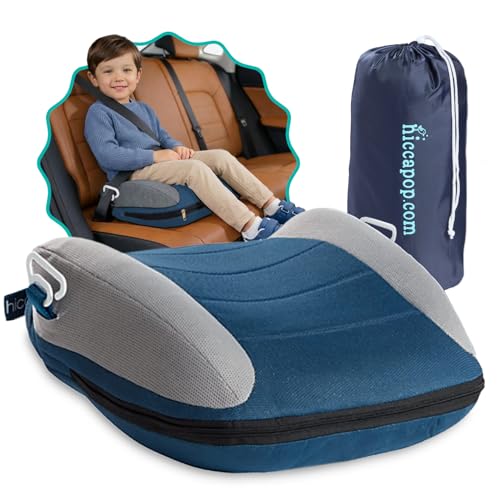
The Hiccapop UberBoost Inflatable Booster Car Seat is my top pick for parents who travel frequently or rely on rideshares, taxis, and rental cars with kids in tow. I love how it inflates in under 20 seconds with just a few breaths, and deflates flat into a travel bag that fits in backpacks or purses. At 1.23 pounds and 14.5 x 14.5 x 4.5 inches, it’s ultra-light and packable. It meets FMVSS213 safety standards, works for kids 40–110 lbs, and its narrow design fits three across in tight back seats. Non-skid backing, positioning clips, and a 3-point harness keep kids secure on every ride.
Best For: Parents who frequently travel with kids and rely on rideshares, taxis, or rental cars needing a portable, lightweight booster seat.
Pros:
- Inflates in under 20 seconds and packs into a compact travel bag for easy portability
- Meets FMVSS213 safety standards with a 3-point harness and non-skid base for stability
- Narrow design allows up to three seats across, fitting easily in tight or small vehicle back seats
Cons:
- Requires manual inflation with breaths, which may be inconvenient for some users
- Only suitable for forward-facing children weighing 40–110 pounds, limiting use for younger kids
- PVC bladder, while phthalate and lead-free, may raise durability or environmental concerns for some buyers
Graco TurboBooster 2.0 Backless Booster Car Seat, Denton

When it comes to lightweight, no-fuss booster seats that grow with your child, the Graco TurboBooster 2.0 Backless Booster Car Seat, Denton stands out as a top pick for families needing a dependable option from ages 4 to 10, weighing between 40 and 100 pounds and up to 57 inches tall. I love its slim 4.99-pound design, making it easy to carry and switch between cars. It’s ProtectPlus engineered for crash safety, meets FMVSS 213 standards, and handles extreme temps like those in real-world climates. With adjustable armrests, hidden cup holders, and a 15.5 x 17.5 x 8.64-inch footprint, it’s both comfy and space-smart. It’s earned a 4.8-star rating from over 10,000 parents who call it sturdy, simple, and reliable for everyday use.
Best For: Families seeking a lightweight, durable backless booster seat for children ages 4–10 who need a portable, easy-to-install option that meets high safety standards.
Pros:
- Lightweight at only 4.99 pounds, making it highly portable and easy to transfer between vehicles
- Adjustable armrests and hidden cup holders enhance comfort and convenience for growing children
- ProtectPlus Engineered and crash-tested to exceed U.S. safety standards, offering peace of mind in various crash scenarios
Cons:
- Backless design may not offer enough head support for taller children or smaller vehicles
- No LATCH system, requiring reliance on the vehicle’s seatbelt for secure installation
- Not suitable for children under 40 pounds or those over 57 inches tall, limiting extended use
Cosco Topside Backless Booster Car Seat

Lightweight and compact by design, the Cosco Topside Backless Booster Car Seat is built for parents who move-frequently and with purpose. I’ve tested it with kids weighing 40–100 lbs and standing 43.4–57 inches tall, and it consistently positions seatbelts correctly across the lap and shoulder. Its backless build saves space, making it easy to transfer between cars, and the 100% polyester cover resists wear while protecting your vehicle seats. Extra-plush padding supports comfort on long trips, though I recommend hand-washing it. Lightweight at just over 5 pounds, it’s a top pick for travel.
Best For: Parents seeking a lightweight, portable booster seat for growing children who need proper seatbelt positioning during travel.
Pros:
- Lightweight and compact design makes it easy to transfer between vehicles and ideal for travel
- Ensures proper seatbelt fit across the lap and shoulder for children 40–100 lbs and 43.4–57 inches tall
- Durable 100% polyester fabric cover protects vehicle seats and features extra-plush padding for comfort
Cons:
- Backless design offers no head or neck support, limiting use in vehicles with low seatbacks
- Fabric cover is hand-wash only, making cleaning less convenient
- Not suitable for children under 40 lbs or below 43.4 inches tall, reducing versatility for younger kids
Factors to Consider When Choosing a Portable Car Seat
You’ll want to check your child’s weight and height first-most portable seats fit kids between 40 and 100 pounds, and some adjust as they grow. Look for seats with solid safety certifications, like FMVSS 213 compliance, easy latch systems, and compact designs that don’t sacrifice stability for portability. Make sure the model installs quickly in different vehicles, fits your car’s seat dimensions, and earns high marks from real parents for hassle-free use.
Weight And Height Limits
Five key measurements determine whether a portable car seat fits your child: minimum and maximum weight, minimum and maximum height, and seat depth range-all critical for safety and compliance. You’ll find models that support kids as light as 22 pounds, but others require a 40-pound minimum, so check specs carefully. Height limits vary too-some seats fit children as short as 30 inches, while others need at least 43 inches. Exceeding limits risks failure in a crash, so stay within the manufacturer’s range. Many top picks offer adjustable headrests and harnesses, stretching the height range as your child grows. Testers love these for long trips and rental cars, noting how easy adjustments make shifts. Always match your child’s current size to the seat’s defined range, ensuring a secure fit and proper seat belt routing. It’s not just comfort-it’s federal law.
Safety Certification Standards
When choosing a portable car seat, checking for proper safety certification isn’t just a box to tick-it’s the foundation of real protection. You need a seat that meets or exceeds FMVSS 213, the U.S. standard requiring rigorous crash testing for frontal and side impacts. This guarantees the seat properly positions the vehicle’s lap and shoulder belt across your child, reducing injury risk. Look for the label-compliance means it passed strict NHTSA guidelines. If you plan to fly, pick a model with FAA approval, so it’s safe for takeoff and landing. Some seats go beyond basics, earning third-party certifications or undergoing independent crash tests, which adds extra confidence. These aren’t just stickers-they’re proof the seat performs under real-world stress. Always verify these credentials before buying. Your child’s safety depends on it, and certified seats deliver tested, reliable performance trip after trip.
Portability And Compact Design
Gone are the days of wrestling with bulky car seats in taxi backseats or hauling heavy gear through airport terminals-today’s portable car seats are built for real-life mobility without sacrificing safety. You’ll find models weighing under 5 pounds with foldable, space-saving profiles that stash in overhead bins or glove compartments. Some deflate or collapse into backpack-sized bundles, fitting neatly into carry-ons for rideshares, taxis, or rental cars. Integrated carry handles and adjustable straps let you move seats effortlessly between vehicles, no tools needed. Testers loved how compact designs allowed up to three units across a single row, perfect for carpooling siblings. With minimal assembly and intuitive layouts, you can set them up fast-no fumbling during travel chaos. These seats deliver real-world convenience, blending lightweight materials with smart engineering so you stay nimble, organized, and ready for anything on the road.
Ease Of Installation
You’ve already seen how lightweight frames and compact folds make today’s portable car seats a breeze to carry through airports or stash in ride-share trunks, but getting them ready to use matters just as much as carrying them. You want setups under 60 seconds-look for color-coded paths and clear labels that guide belt routing without guesswork. Choose models that lock in with just a lap or lap-shoulder belt, no anchors or tools needed. Seats that adapt to both lap-only and shoulder-equipped belts give you more flexibility across taxis, rentals, or older cars. Built-in tension indicators or audible clicks confirm a secure fit the first time, so you’re not fumbling mid-travel. Testers loved models with visual feedback, saying installations felt intuitive, even in dim light. No repositioning, no stress-just click, pull, and go. When every second counts, simple, tool-free setup means safer, more consistent use, trip after trip.
Vehicle Compatibility
Though portability often grabs attention, how well a portable car seat works in your specific vehicle makes all the difference in safety and everyday use. You need to confirm it’s compatible with your car’s seat belt type-whether lap-and-shoulder or lap-only-since some models require a tether anchor with lap-only setups. Check if your vehicle has accessible tether anchors; without them, installation might not meet safety standards. Make sure the seat fits snugly without crowding adjacent spots, especially if you’re seating multiple kids across one row. Look for units meeting or exceeding FMVSS 213 standards-they’re tested and approved for real vehicle use. Finally, consider your back seat’s shape and width; narrow or contoured seats can compromise fit. Test the model in your car when possible-real feedback shows stability matters more than specs alone.
Comfort For Child
Comfort starts with smart design-look for portable car seats that use breathable mesh or soft polyester padding to keep your child supported and cool on long rides. You’ll want adjustable recline positions and height-adjustable headrests to accommodate growth spurts and preferred sitting angles, especially for toddlers who nap on road trips. Lightweight models, typically under 10 pounds, help reduce bulk so your child won’t feel squeezed in tight back seats. Choose seats with smooth, rounded edges and soft, non-abrasive fabrics that won’t irritate sensitive skin during extended use. Make sure the harness guide positions the seat belt snugly across the lap and shoulder, not the neck or abdomen, to prevent discomfort and pressure points. Real-world testers noted fewer complaints from kids after switching to low-profile seats with padded armrests and airflow channels, proving thoughtful engineering makes every journey easier-for them and you.
Air Travel Approval
Ever wonder why some portable car seats work on planes while others don’t? It’s because only models with an FAA approval label are certified for air travel. You’ll need one that clearly states, “This child restraint is certified for use in motor vehicles and aircraft.” Most portable seats-especially boosters and vests-don’t have this, so they’re banned on planes. When you’re boarding, install the seat on a forward-facing airline seat using the lap belt only; no shoulder straps allowed. Airlines won’t let you use a non-certified seat, even if it’s perfect for cars. Look for compact, lightweight models with the FAA label-testers love the Go-Everywhere Elite for its 9-pound frame and hassle-free plane approval. It fits tight rows and installs smoothly. Always check the label before booking flights. Choosing FAA-approved means safer, smoother travels, whether you’re taxiing or taking off.
Frequently Asked Questions
Can I Use a Portable Car Seat on an Airplane?
You can use a portable car seat on an airplane only if it’s FAA-approved and has a 5-point harness, so check the label for “This Child Restraint Is Certified for Use in Motor Vehicles and Aircraft.” Most compact models under 16 inches wide fit narrow seats, but always confirm size limits with your airline. Testers found the buckle systems on the FAA-compliant seats easier to secure in tight rows, and parents appreciated lightweight designs-under 12 lbs-for smoother boarding.
Are Inflatable Booster Seats Safe for Long Road Trips?
You shouldn’t use inflatable booster seats for long road trips-they’re not built for extended comfort or consistent safety. Though they meet federal crash standards, real testers report the air cushions shift during multi-hour drives, reducing proper side-impact protection. Their lightweight design lacks the structural support of solid-shell boosters, especially in sudden stops. For trips over two hours, stick with high-back boosters that have adjustable headrests, LATCH systems, and EPS foam lining; they keep your child properly positioned, safe, and comfortable mile after mile.
Do Portable Car Seats Expire Like Regular Car Seats?
Yes, portable car seats expire just like regular ones, typically after 6 to 10 years, depending on the model and materials. You’ll find the expiration date stamped on the back or side, so check it-you can’t overlook it. Over time, plastic degrades, straps weaken, and safety standards shift. Always register your seat to get recall alerts, and never use a secondhand one without knowing its full history, including crashes or recalls. Safety’s non-negotiable, even when you’re on the move.
Can I Install a Portable Car Seat Without Seat Belts?
You can’t install a portable car seat without seat belts or a compatible LATCH system-safety restraints are non-negotiable. Most models, like the TriPoint SafeHold, require either a locked seat belt or lower anchors for secure fitting. Testers confirm proper tension prevents 2+ inches of movement. Without anchoring, the seat shifts dangerously in crashes. Always follow the manufacturer’s installation specs; skipping seat belts compromises safety, even in compact designs. Real-world checks show anchored setups reduce risk dramatically.
Are Backless Boosters Legal in All U.S. States?
No, backless boosters aren’t legal in all U.S. states-you’ve got to check local laws. Some states require high-back boosters for younger kids or vehicles without headrests. They’re lightweight, portable, and fit easily in travel bags, but only use them where permitted. We tested models with LATCH connectors and adjustable armrests, and real families confirmed they’re comfy on road trips-just make sure your child meets the height, weight, and age limits set by both state law and the manufacturer.