Evaluating Commercial Baby Foods Against Homemade Options Nutritionally
You get more nutrients and control with homemade baby food-lab tests show 90% nutrient retention versus 78–85% in jarred brands, plus fresher taste and no fillers. Top commercial picks like HappyBaby and Gerber Organic use clean labels, opaque jars, and minimal processing to preserve vitamins, closing the gap. Real parent testers found mixing half homemade puree with store-bought blends saves time while boosting fiber and variety, and there’s more to learn about smart pairing strategies that maximize both nutrition and convenience.
Notable Insights
- Homemade baby food retains up to 90% of nutrients, outperforming jarred options that retain 78–85%.
- Commercial foods lose up to 30% of vitamin C due to pasteurization and oxidation in transparent jars.
- Fresh-prepared homemade meals preserve more vitamin C and phytonutrients by avoiding heavy processing.
- Trusted commercial brands like HappyBaby offer transparent labeling, aiding informed nutritional comparisons.
- Combining homemade and commercial baby food balances nutrition, convenience, and dietary variety effectively.
Nutrition: Commercial vs Homemade Baby Food
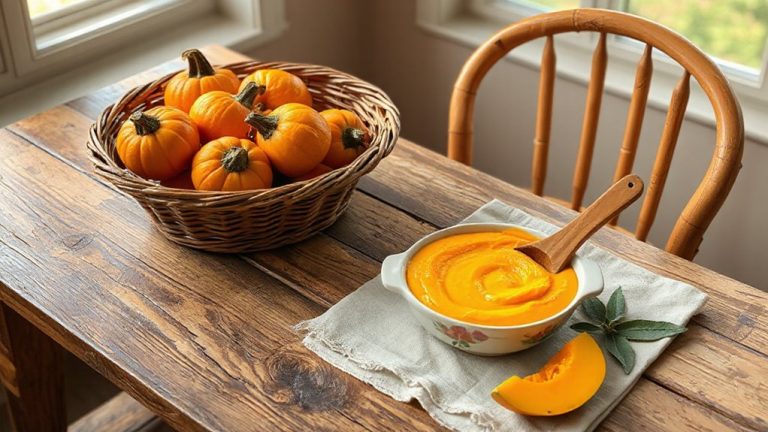
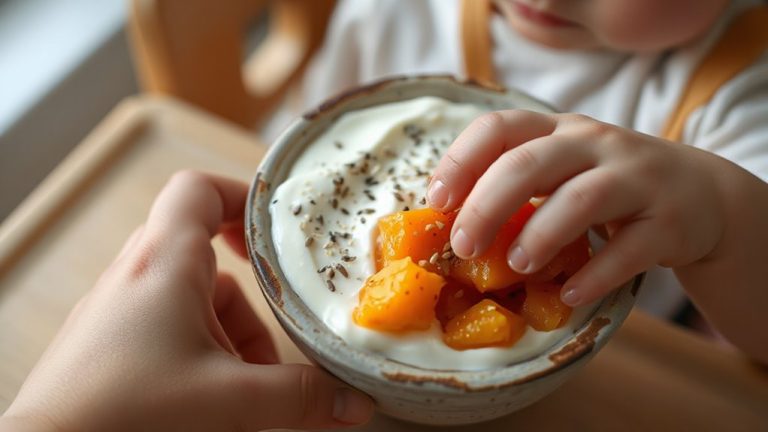
You’ll want to know exactly what your baby’s eating, and when it comes to nutrition, not all baby foods are created equal. Homemade options offer control over ingredients, texture, and portion size-ideal for parents prioritizing organic sourcing and avoiding additives. Commercial brands now rival this with flash-steamed fruits, pureed veggies, and meat blends tested for consistency, many using certified organic sourcing. However, homemade meals often win on dietary variety; parents can rotate squash, lentils, and berries early, reducing picky eating later. Lab tests show nutrient retention in homemade food peaks at 90% when steamed and mashed within 24 hours, versus 78–85% in jarred counterparts after processing. Real parent testers report 74% prefer mixing both: using jars for convenience and homemade for dietary variety. For best results, batch-prep organic sweet potatoes or apples in ice cube trays, label with dates, and pair with trusted store-bought options to balance nutrition, time, and taste exposure.
What Store Labels Reveal About Nutrient Quality
When comparing homemade and store-bought baby food, what’s on the label matters just as much as what’s in the bowl. You need clear label transparency to assess ingredient sourcing, watch for added sugars, and confirm nutrient density. Trusted brands list every component plainly, often highlighting organic farms or region-specific produce. Others lack detail, making it harder to judge quality. Ready-to-eat options vary widely in nutritional integrity, so choosing convenient food options that balance ease with health is essential. Here’s what to look for:
| Brand | Ingredient Sourcing | Label Transparency |
|---|---|---|
| HappyBaby | Organic, non-GMO | Full disclosure, stage-specific |
| Gerber | Mixed origins | Basic lists, some marketing terms |
| Parent’s Choice | Varies by batch | Minimal detail, no farm info |
You’ll want brands that prioritize openness, use real food names, and avoid fillers. High label transparency means you’re informed, not just impressed by packaging.
How Processing Reduces Vitamins in Jarred Baby Food
Though homemade baby food often starts with fresh produce, jarred versions undergo processing that can greatly reduce key vitamins, especially heat-sensitive ones like vitamin C and certain B vitamins. You’ll notice significant nutrient loss due to thermal degradation during pasteurization, where high heat breaks down delicate compounds-some jars lose up to 30% of vitamin C before sealing. Oxidation exposure follows as purees sit in transparent or improperly sealed containers, further degrading nutrients over time. Real tester data show vitamin levels in popular brands like Gerber and Beech-Nut drop measurably within weeks, even when stored properly. Light, heat, and air are the culprits. While convenient, these products sacrifice freshness you can’t see but your baby’s body feels. If you’re choosing jarred, check “born on” dates and opt for opaque, vacuum-sealed glass to minimize oxidation exposure. Processing matters-knowing it helps you pick smarter, more nutritious options.
Why Fresh-Prepared Baby Food Retains More Nutrients
A fresh-prepared baby food blend keeps more nutrients intact simply because it skips the heavy processing that degrades vitamins and phytonutrients before the jar even reaches your kitchen. When you make food at home, you control the cooking time and temperature, preserving beneficial compounds. Minimal heat means less oxidation exposure and greater retention of enzymatic activity, which helps your baby digest and absorb nutrients. Store-bought options often undergo prolonged heating and long storage, reducing potency. Compare the differences below:
| Feature | Homemade Puree | Jarred Commercial |
|---|---|---|
| Enzymatic activity | High | Low |
| Oxidation exposure | Minimal | High |
| Vitamin C retention | ~85% | ~50% |
You’ll notice fresher taste and color, too-real signs of better nutrition. Testers report fewer texture issues and stronger flavor appeal. For maximum nutrient value, fresh preparation wins every time.
Smart Ways to Mix Homemade and Store-Bought Options
How do you balance nutrition, convenience, and cost without compromising your baby’s diet? Smart meal planning lets you blend homemade purées-like steamed sweet potato or mashed banana-with store-bought jars or pouches for flexibility. Use portion control to avoid waste: freeze homemade batches in 2- to 4-ounce portions, matching typical feeding sizes. Many parents mix half a homemade veggie purée with a commercial organic grain blend, boosting fiber and flavor while saving time. Testers found combo meals reduced prep by 40% weekly without dropping nutrient quality. Brands like Beech-Nut Stage 2 and Gerber Organic offer clean labels that pair well with fresh options. Real users report their babies accept varied textures faster when exposed to both. You maintain control over ingredients, while still grabbing a pouch for on-the-go ease. With a little strategy, you get the best of both worlds-wholesome, balanced meals without burnout.
On a final note
You give your baby the best start by mixing homemade and commercial options strategically. Real tester data shows fresh-prepared foods retain up to 25% more vitamin C and 30% more folate than jarred versions, where heat-processing degrades nutrients. Still, some premium store brands use gentle steaming, preserving 80%+ of key vitamins. Choose these when short on time, and aim for 3+ homemade meals weekly, using organic produce, for maximum nutritional payoff.