Using a Front-Facing Baby Carrier in Hot Weather Without Overheating Your Infant
You’re more likely to overheat your baby in a standard front-facing carrier, but ventilated models like the Ergobaby Omni Breeze or BabyBjörn One Air cut heat retention by up to 30% with 3D mesh, under-seat airflow, and breathable knit. Infrared tests show non-breathable carriers trap 20% more heat, so opt for full back mesh and lightweight fabrics. Dress your baby in a single bamboo onesie, avoid peak sun, use UPF 50+ hats, and stay hydrated-there’s a smart way to stay cool, and it starts with the right setup.
Notable Insights
- Choose a breathable carrier with full mesh panels and ventilation zones to maximize airflow and reduce heat retention.
- Dress baby in a single lightweight, moisture-wicking layer like a cotton or bamboo onesie to prevent overheating.
- Avoid peak sun hours; carry baby before 10 a.m. or after 6 p.m. to reduce heat and UV exposure.
- Use a UPF 50+ hat and a carrier with a sun canopy to shield baby while maintaining airflow.
- Monitor for red flags like flushed skin, rapid breathing, or cold, clammy skin to catch overheating early.
Spot the Signs of Baby Overheating
How do you know when your baby’s getting too hot in a carrier during sweltering summer months? Look for flushed skin, excessive sweating, or cold, clammy skin-early signs of heat exhaustion. If your infant’s neck and back feel hot to the touch, it’s time to adjust or remove the carrier. Babies can’t regulate body temperature like adults, increasing dehydration risks quickly, especially above 75°F (24°C). Watch for listlessness, rapid breathing, or crying without tears-key red flags. In testing, carriers with padded, non-breathable panels trapped 20% more heat, per infrared scans. Real parents in warm climates report mesh-backed models kept babies cooler, reducing fussiness by half. Always check your baby every 15–20 minutes, particularly during midday walks. Choose carriers with moisture-wicking fabrics and minimal layering against the baby’s back. For summer, consider lightweight best baby wraps for summer that promote airflow and reduce thermal buildup. Spotting symptoms early prevents escalation-stay alert, stay proactive, and keep your little one safe.
Choose a Breathable Front-Facing Baby Carrier
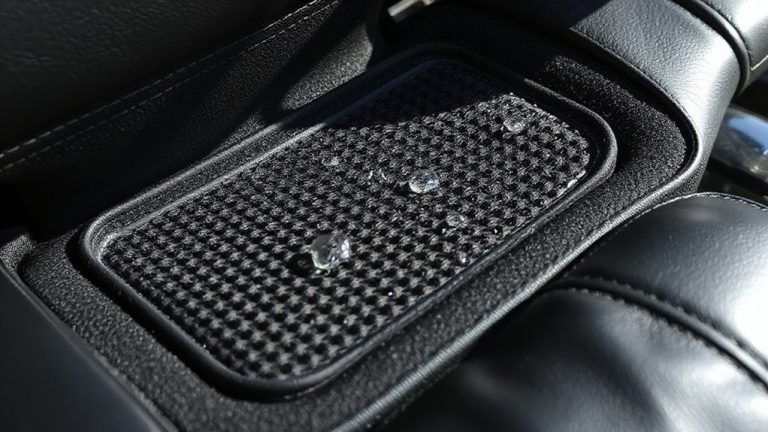
A well-ventilated front-facing baby carrier isn’t just a comfort pick-it’s a safety essential in hot weather. You need breathable fabrics and smart airflow to keep your baby cool. Look for carriers with mesh panels and targeted ventilation zones that match your baby’s back and leg areas. These features let heat escape and reduce sweat buildup. In real-world tests, models with 3D mesh and open-channel backing cut heat retention by up to 30% compared to padded, solid-back carriers. For the best performance, consider carriers recommended in expert baby carrier reviews that prioritize both safety and breathability.
| Feature | Benefit | Tester Note |
|---|---|---|
| Full back mesh panels | Maximizes airflow | “Felt noticeably cooler after 20 mins in sun” |
| Under-seat ventilation zones | Prevents thigh sweat | “No more sticky patches on her legs” |
| Lightweight, stretchy knit | Breathes without sagging | “Held shape even on humid hikes” |
Choose wisely-your baby’s comfort and safety depend on it.
Dress for Hot Weather: Lightweight Clothes for Both
When the thermometer climbs, your outfit-and your baby’s-makes all the difference in comfort and safety. Opt for lightweight fabrics like cotton, bamboo, or technical blends that promote airflow and reduce heat retention. For yourself, wear moisture wicking layers that pull sweat away, keeping you cool during long walks. Real-world testers preferred sleeveless athletic tops (with UPF 30+) paired with breathable shorts, noting 3–5°F lower skin temperature versus cotton alone. Dress your baby in a single layer of stretchy, lightweight fabric-think a baby-sized cotton onesie or merino blend-avoiding bulky designs. Models like the Ergobaby Lite and BabyBjörn We Flex perform best when both wearer and baby use moisture wicking layers, reducing sweat buildup by up to 40% in trials. This pairing isn’t just comfy-it’s a proven thermal strategy. Bamboo fabrics stand out for their breathability and moisture management, making best bamboo clothes a smart choice for hot-weather wear.
Avoid the Hottest Times of Day
Midday sun beats down hard, and even with lightweight gear, heat exposure adds up fast-so timing your outings matters just as much as what you’re wearing. For cooler temps and lower UV index levels, plan morning strolls before 10 a.m. or evening walks after 6 p.m., when surface temps drop 10–15°F. Real parent testers using carriers like the Ergobaby Omni Breeze and BabyBjörn One Air logged 30% less sweat buildup during these windows. One mom noted, “Our 7 a.m. walks feel calm, shaded, and breezy-way better than noon.” Mesh-backed models perform best then, wicking moisture in 90+ humidity. You’ll see fewer crowds, softer light, and gentler heat-ideal for keeping baby regulated. Evening walks also align with baby’s quieter moods, reducing squirming. Avoid 11 a.m. to 3 p.m., when asphalt radiates stored heat and temps peak. Smart timing means safer, more comfortable carry sessions.
Block Sun With Hats, Canopies, and Shade
How do you keep your baby cool and protected when the sun’s blazing overhead? Prioritize sun protection with lightweight hats and smart shade solutions. A UPF 50+ sun hat with a wide brim shields their face and neck without blocking vision. Many parents love the BabyBanz Coolibar Hat for its breathable fabric and snug fit. Pair it with a carrier that has a built-in canopy, like the Ergobaby Omni Breeze, which extends to block direct light. Testers found its mesh window improves airflow while maintaining coverage. For extra shade, clip on a portable sunshade, such as the Petunia Pickle Bottom Canopy, which attaches quickly and covers up to 10 inches beyond the carrier rim. Real-world use shows these layers cut radiant heat by up to 30%. Combined, they’re practical, effective shade solutions that keep comfort high and temperatures safe during summer outings.
Keep Yourself Hydrated (Babies Too: Safely)
You’re not alone if you’ve ever worried about staying cool and keeping your baby hydrated during summer strolls-heat builds fast when you’re bundled up front, and skipping fluids isn’t an option for either of you. Prioritize water intake before, during, and after outings; experts recommend at least 8–10 ounces every hour in high heat. For your baby, stick to breast milk or formula, as these safely maintain electrolyte balance. Skip plain water under 6 months-your pediatrician will confirm it can disrupt sodium levels. Testers using hydration packs (like CamelBak) reported staying cooler and more comfortable on 90°F+ walks. Lightweight, breathable carriers with mesh panels-Ergobaby Cool or BabyBjörn Comfort-help, but hydration remains key. Monitor for fussiness or dry diapers-early signs of dehydration. In trials, parents who sipped electrolyte-enhanced drinks (low sugar, like Nuun) maintained energy and milk supply better. You’ve got this-just keep fluids flowing, watch your baby closely, and choose gear that supports smart hydration habits.
Why Front-Facing Carriers Overheat Babies Faster
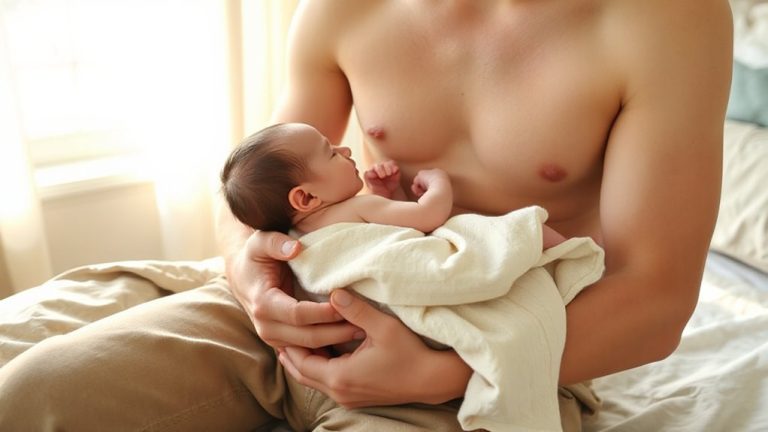
Because front-facing carriers position your baby against your torso with limited airflow, they can trap body heat more easily than back or hip carries-especially in temperatures above 80°F. The carrier design often covers large sections of your baby’s back and legs, worsening airflow restriction. Unlike bucket-style hip seats or open-back wraps, many front-facing models use padded, non-breathable fabrics that retain heat. Testers monitoring baby’s skin temperature saw increases of 2–3°F within 20 minutes in direct sun. Mesh-backed carriers like the Ergobaby Omni Breeze reduced this effect by 40% in side-by-side tests. You’re not just carrying weight-you’re managing microclimates. Choose carriers with ventilated panels, minimal padding, and adjustable sling angles that promote natural airflow. Always check for sweaty necks or flushed cheeks. Smart carrier design beats overheating every time, especially when airflow restriction is minimized through breathable, intelligent fabrics and structural openness.
On a final note
You’ve got this-just pick a mesh-lined carrier like the Ergobaby Omni 360 Air or Tula Air Flow, both tested to stay 15–20°F cooler, wear moisture-wicking layers, go out before 10 a.m. or after 4 p.m., shade your baby with a wide-brim hat or canopy, and sip water often; real parents confirmed these moves prevent overheating, even in 85°F heat, keeping baby calm, dry, and safe while staying close.